
Southernmost Yellowtail Festival 2026: four days at Moseulpo Port from 19 November
The 26th Southernmost Yellowtail Festival runs for four days, from 19 to 22 November 2026, around Moseulpo Port in Daejeong-eup, Seogwipo. The opening ceremony is on the evening of the 19th and the closing ceremony on the evening of the 22nd, and Moseulpo Port, where the festival is held, is where boats leave for Marado and Gapado.
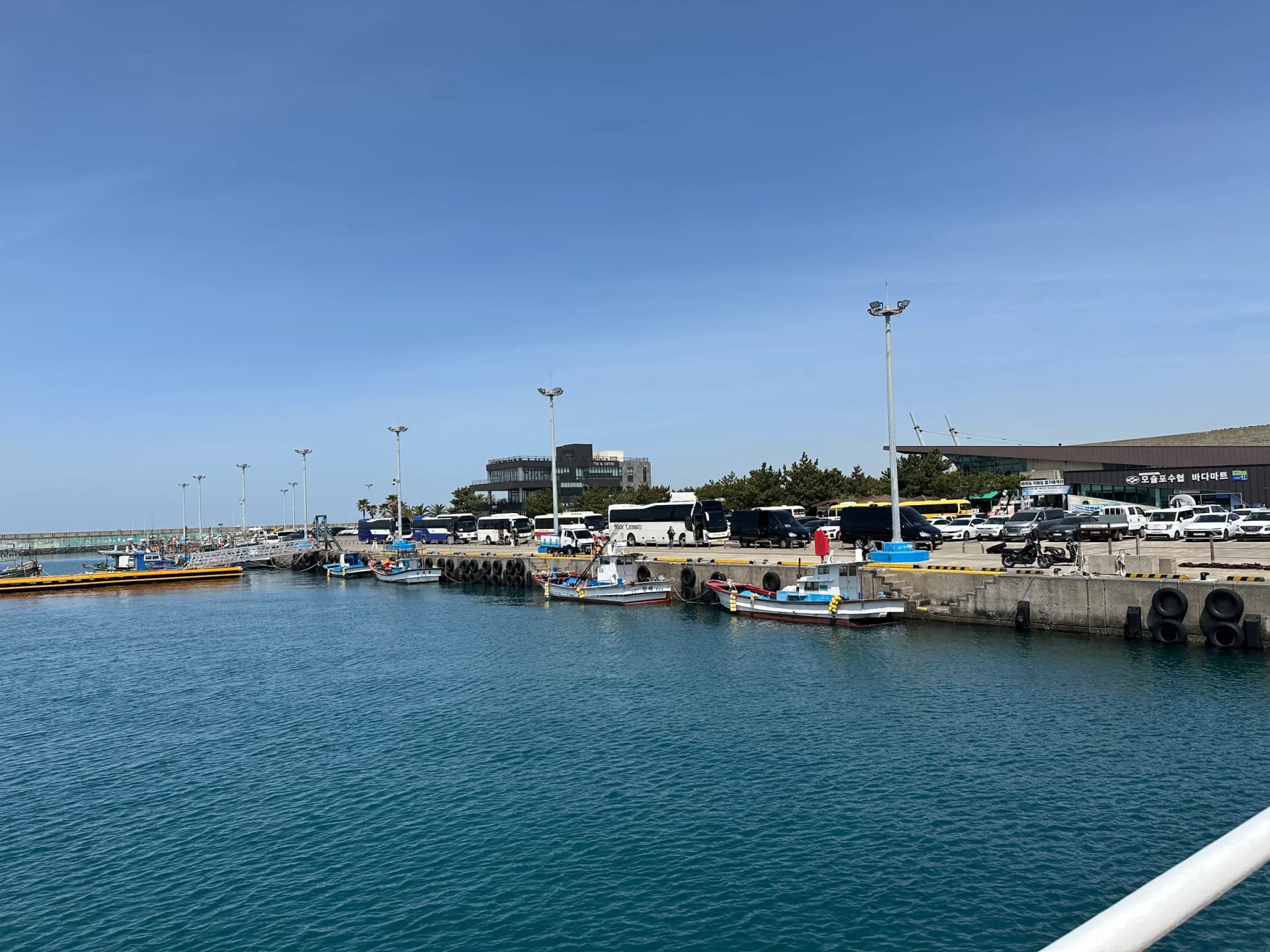
This year the 26th Southernmost Yellowtail Festival takes place over four days, from 19 November to 22 November 2026, around Moseulpo Port in Daejeong-eup, Seogwipo. The venue is the Moseulpo Port event ground, and the organiser is the Southernmost Yellowtail Festival Committee.
Moseulpo Port is a harbour in the southwest of Jeju, the end point of Jeju Olle Trail Course 10 and the starting point of Course 11. Boats to Marado, the southernmost point of Korea, and to Gapado, known for its green barley, also sail from here. On a day spent travelling the west coast, it is an easy place to fit into your route.
The 2026 Southernmost Yellowtail Festival schedule: opening and closing ceremonies
The opening ceremony is at 5 p.m. on Thursday 19 November, and the closing ceremony at 7 p.m. on Sunday 22 November. The stage schedule for each day can be found separately in the stage events guide under the programme menu of the festival website.
The festival is supported by Jeju Special Self-Governing Province, Seogwipo City, Daejeong-eup, the National Federation of Fisheries Cooperatives and the Moseulpo Fisheries Cooperative. The organisers note that the schedule and content may change depending on circumstances, so check once more before you set off.
If you can only drop in on one of the four days, plan your day around the evening of the first day, with the opening ceremony, or the evening of the last day, with the closing ceremony. Look around the area during the day, then head into the festival ground as the sun goes down.
Photo: Grapesurgeon / Wikimedia Commons · CC BY-SA 4.0Things to enjoy during the festival: activities, performances and a food market
During the festival there are various hands-on activities and performances, a food market, a yellowtail song contest and more. Stage programme times differ from day to day, so if there is a performance you want to see, check that day's running order in the stage events guide first.
The festival ground spreads out around the harbour. If you plan to stay for the evening events, bring a jacket to keep off the sea wind and you will feel more at ease. If you plan to visit the food market, it also helps to agree on a meeting spot with your group in advance.
If you go with children, decide in advance the order in which you will look around before the evening stage. Splitting your route so you go round the activities and the market first and then settle in front of the stage is less tiring. Hold children's hands firmly at the far end of the quay.
 Photo: Grapesurgeon / Wikimedia Commons · CC BY-SA 4.0
Moseulpo Port, a harbour close to the yellowtail fishing grounds
Between the waters off Moseulpo Port and the sea south of Marado live many kinds of fish, such as yellowtail, tilefish and damselfish. From October to February yellowtail fishing grounds form around Marado, and the yellowtail festival is held around this harbour, which faces that sea.
The name Moseulpo is said to come from Mosalgae, meaning 'a harbour with sand'. It is said to have started from the name for the coast of Sangmo-ri and Hamo-ri in Daejeong-eup, where coastal dunes developed under strong winds.
It is also a harbour where regular routes opened early. A route to Osaka in Japan opened in 1918, and in 1971 it was designated a Class 1 fishing port (now a national fishing port).
Even outside the festival, boats large and small are moored in the harbour. Just walking slowly along the quay and looking at the boats, the lighthouse and the breakwater gives you a feel for a day in a harbour village.
 Photo: Grapesurgeon / Wikimedia Commons · CC BY-SA 4.0
Nearby sights to visit on festival day
Near Moseulpo Port are places such as Songaksan, the Yongmeori Coast, Alddreu Airfield, Chusa's place of exile and Sanbangsan. Pick one to combine with the festival, before or after, and the day becomes more relaxed.
If you look around one or two nearby sights in the morning and come back to the harbour late in the afternoon, you can reach the festival ground as the sun goes down. It is a day with a lot of walking, so set out in comfortable shoes.
If you plan to take a boat to Marado or Gapado, check in advance whether boats are running that day. Going to an island first and returning to the festival ground toward evening also works.
If you want to watch a performance from the front of the stage, it is better to arrive a little before it starts. After the evening performance the wind off the harbour can turn cold, so bring one more light thing to wrap up in, such as a scarf or a hat.
Walking along the quay you can also see boats coming and going to the islands. Rather than trying to fit the festival ground, the quay and all the nearby sights into one day, decide on just two or three things you really want to see that day and you will feel much lighter.
On the way back from the festival, a meal in Aewol
If you enjoy the festival at Moseulpo Port and then head north toward Aewol along the west coast, consider adding Mipojip Jeju Aewol to your list of places to eat. Check the travel time and traffic on a map before you set off.
If you want to satisfy your hunger after a day in the harbour's sea wind, take a look at the menu of Mipojip, which serves haemuljang (soy-cured seafood) and sotbap (pot rice). Talking over what you saw and heard at the yellowtail festival during the meal would make for a nice time as well.
- Yellowtail festival
- Southernmost Yellowtail Festival
- Moseulpo Port
- Daejeong-eup
- Jeju November festival
- Mipojip
Read next
 Aewol, Jeju
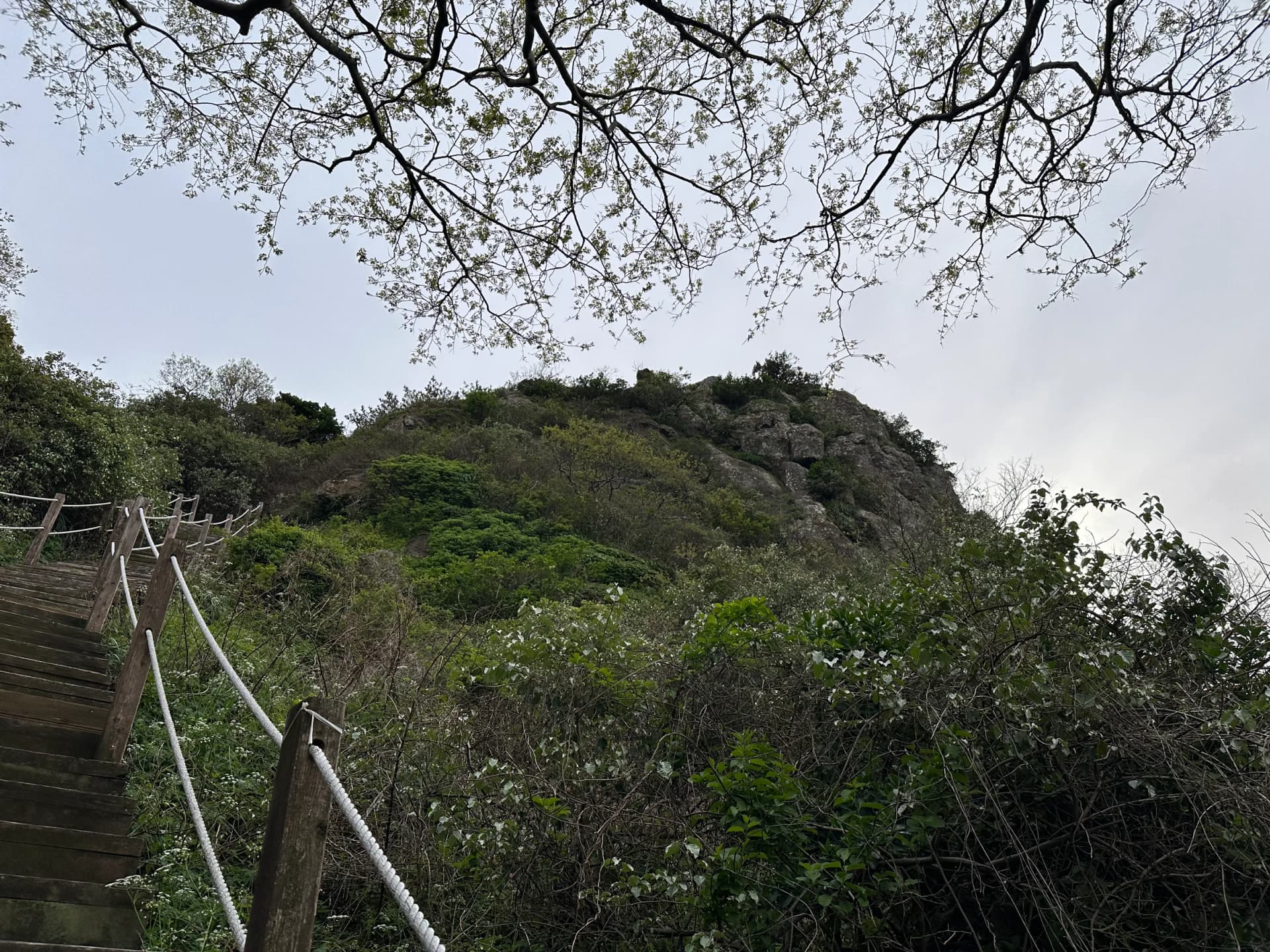
Dansan: seeing Sanbangsan and the Daejeong plains from Bagumji Oreum, shaped like a bat with spread wings
Dansan, in the village of Inseong, is also called Bagumji Oreum because its three peaks look like a bat spreading its wings. From the top, at the end of a path that climbs over rock, you can see Sanbangsan and Hallasan, and on clear days even Hyeongjeseom, Marado and Gapado.
 Aewol, Jeju
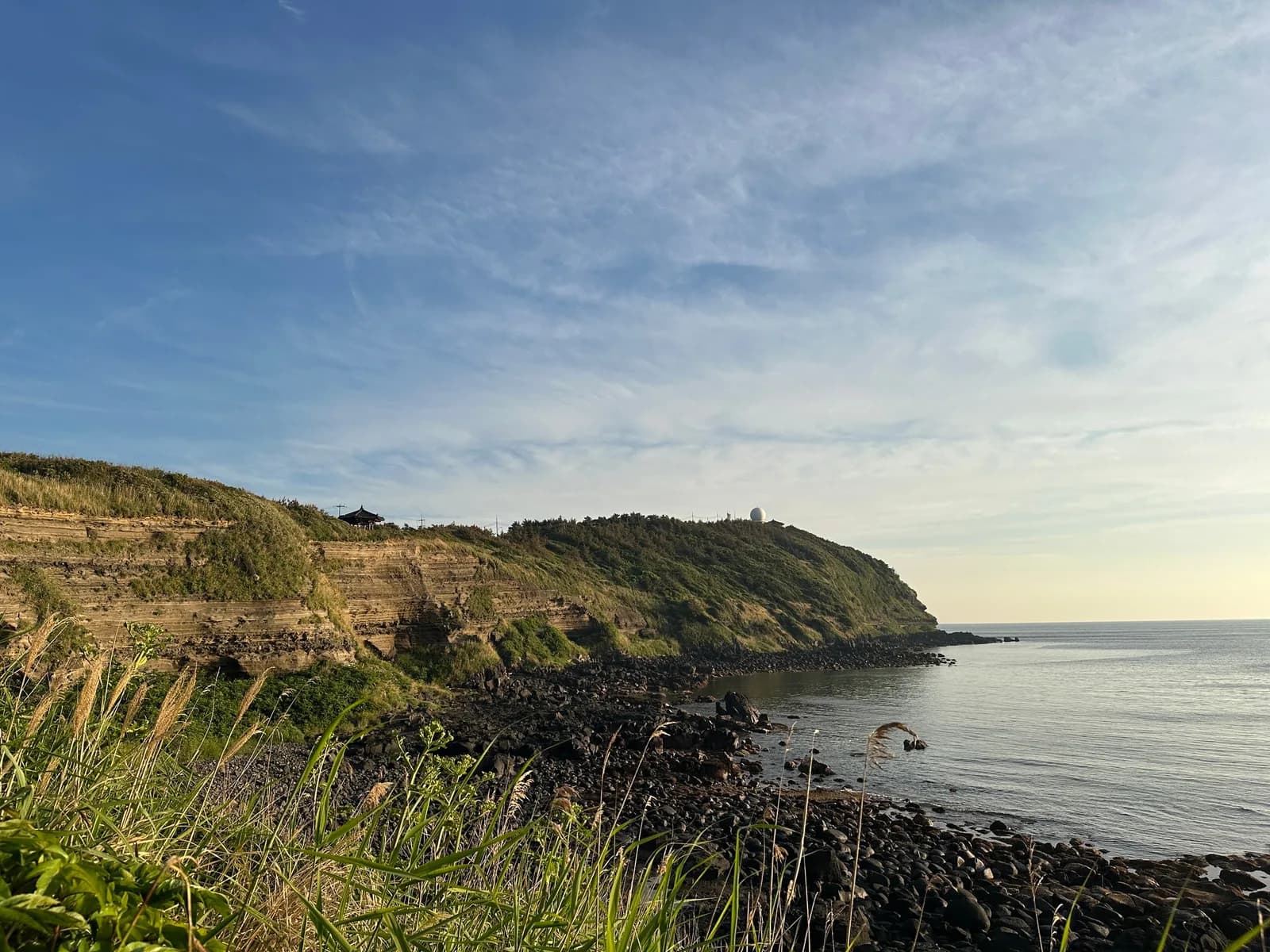
Suwolbong: volcanic-ash cliffs and a sunset over the sea at Jeju's western tip
Suwolbong is a 77 m viewing peak in western Jeju. Here you can find Suwoljeong Pavilion and the Gosan Weather Observatory at the top, a geo-trail along the coastal cliff called Eongal, the sun setting toward Chagwido and the legend of Nokgomul spring.
 Aewol, Jeju
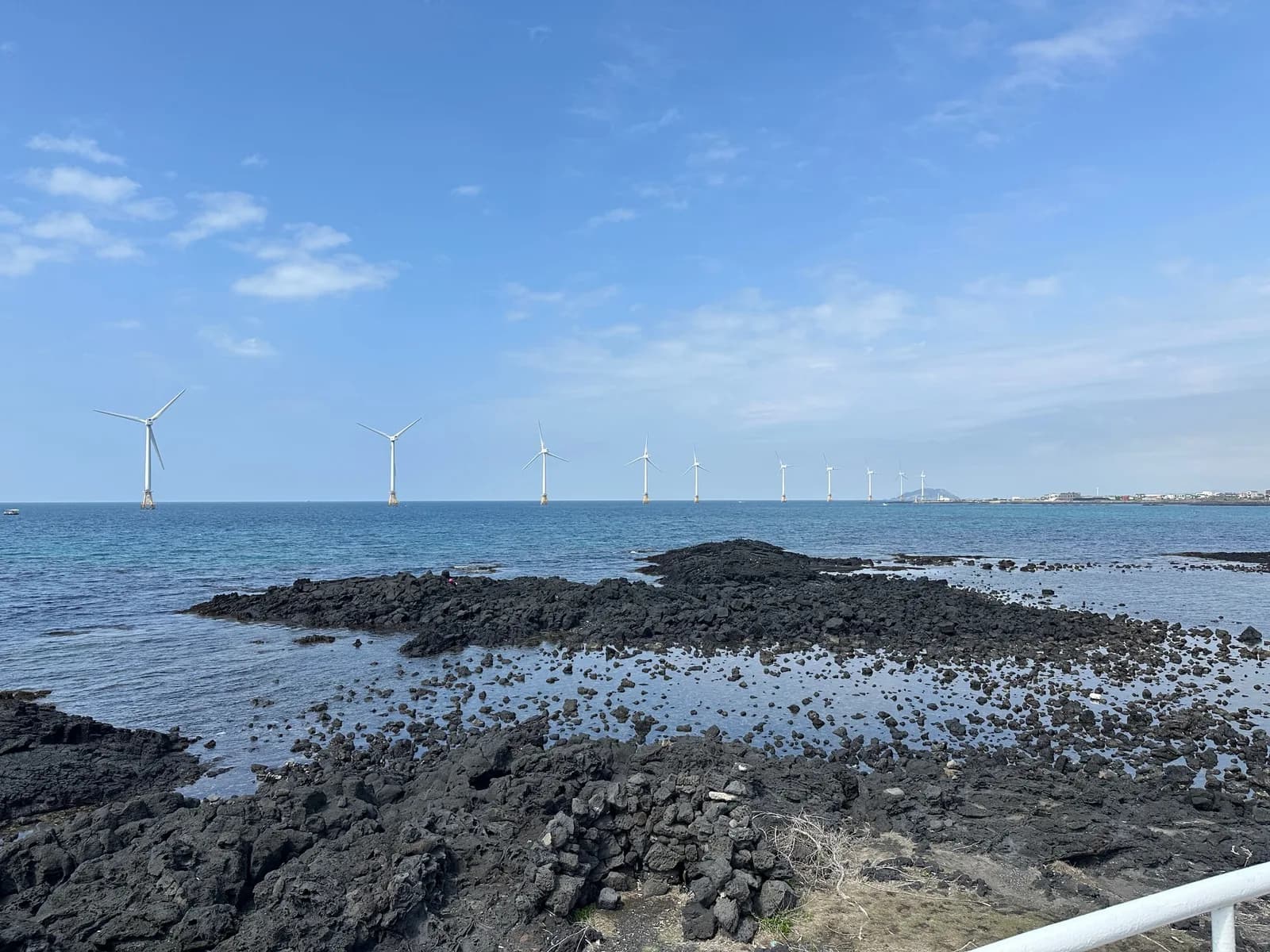
Sinchang Windmill Coastal Road: a seaside road at Jeju's western tip along white windmills and emerald water
A coastal road running along Jeju's western tip, where the white windmills of an offshore wind farm, emerald water and, far off, Chagwido come into view together. The scenery changes with the tides, and it is also known for beautiful sunsets.