
Chagwido: Jeju's largest uninhabited island off Gosan-ri, and the legend of the eagle
Chagwido is the name for the main island together with small neighbouring islands such as Jukdo, Wado and Jijiri-seom. You go in by sightseeing boat from Jagunae Port in Gosan-ri and return on the same boat after free time on the island; today it is Jeju's largest uninhabited island.
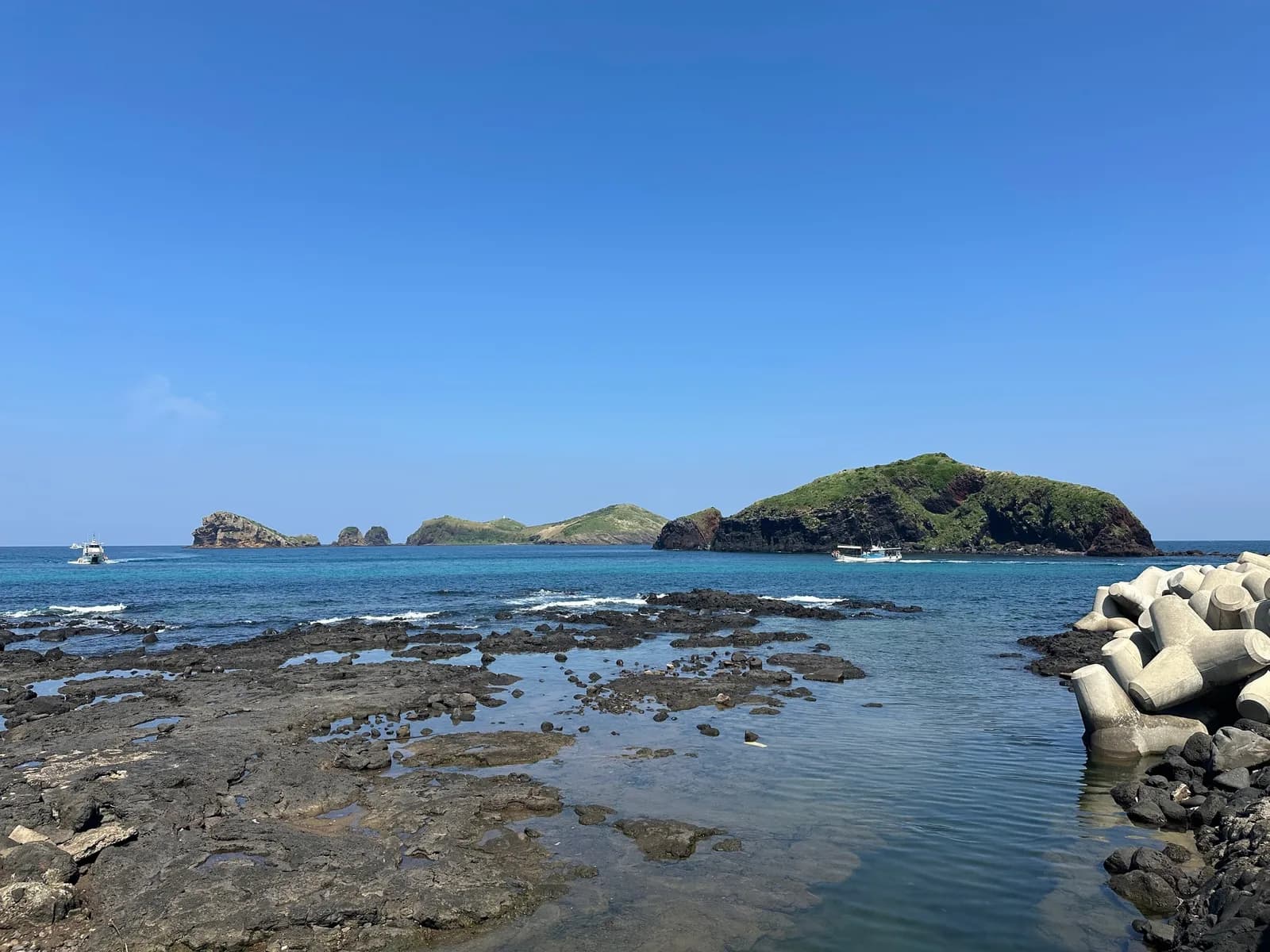
You may have seen photos of the islands floating off Gosan-ri, Hangyeong-myeon, at the western tip of Jeju. Chagwido is the name for the main island together with small neighbouring islands such as Jukdo, Wado and Jijiri-seom. Among Jeju's many islands its form is outstanding, and it is described as an island whose proud figure, sunk in the sea as if within arm's reach, takes the breath away of those who see it.
It is lovely just to look at, but you can also take a boat and walk on the island itself. Decide first whether to spend the day going onto the island or looking out from the shore, and the plan becomes much easier. On a day you don't board, simply watching the large and small islands overlap from the shore is enough.
The sightseeing boat from Jagunae Port to Chagwido
You can reach the island by sightseeing boat from Jagunae Port in Gosan-ri on the main island. You are given free time to tour the island, and you can visit on a course that returns on the same boat. The boat's operating times need to be checked separately, so find them out before you set off.
You also have to return on the same boat, so when you land, fix the return time in your mind first. Decide how far to walk within the time you have, and you can look around the island without hurrying. Bring a jacket in case of strong sea wind, and wear comfortable walking shoes.
Photo: Grapesurgeon / Wikimedia Commons · CC BY-SA 4.0Jeju's largest uninhabited island
On Daeseom, the main island, three or four households lived until a few decades ago, but today it has become Jeju's largest uninhabited island. Many subtropical plants and animals live in the natural protection area that includes Daeseom and Wado, so its ecological value is also very high.
When you walk on an island where no one lives, don't pick the grass and flowers along the path, and take all your rubbish back with you. Because the place has such high ecological value, it is best to leave no trace of your visit.
 Photo: Grapesurgeon / Wikimedia Commons · CC BY-SA 4.0
A sea that anglers seek out
The island is also famous as a fishing spot. Red seabream, rock bream, largescale blackfish and longtooth grouper bite well here, and anglers come in particular numbers between January and March and between June and December. Even if you don't fish, look at the colour of the water around the island and think about why this sea has been loved for so long.
The legend of the god of Hallasan who became an eagle
An old legend is told about this island. Long ago, the king of Song China held that Jeju had the lie of the land to produce a king who would command the world, and ordered a retainer named Ho Jongdan to cut the earth's veins in Jeju to destroy that energy. Ho Jongdan came to Jeju and began cutting all of its veins, and when he reached Sanbangsan he found the head of a dragon about to stretch out into the sea and drove a sword into its neck, staining the sea with red blood and making the mountain wail for three days, it is said.
Believing he had cut all the veins of earth and water across Jeju, Ho Jongdan tried to set sail for China from what is now the port of Gosan-ri. Just then a huge eagle suddenly appeared and began to circle in the sky. Ho Jongdan's party was uneasy at such an unusual eagle, but the sea was calm and the sky clear, so they set sail as planned. Then the eagle narrowed its circle, came close and landed on the mast; at that moment the wind rose fiercely, the waves surged, and the boat sank deep into the sea in an instant.
Afterwards, the eagle that had circled in the sky was believed to be the angry god of Hallasan. The eagle that stopped Ho Jongdan from going home came down onto the island and turned to stone, and it is said to remain there to this day as the spirit of Halla that guards the island. Perhaps that is why, it is said, the currents off Chagwido are still stronger than anywhere else. Think of this story when you look at the island from the port.
 Photo: Grapesurgeon / Wikimedia Commons · CC BY-SA 4.0
What to check before you go
The address is 125 Gosan-ri, Hangyeong-myeon, Jeju-si, Jeju Special Self-Governing Province. The sightseeing boat's operating times need to be checked, so find them out before you set off. On days of high waves, don't go too close to the rocks along the shore.
After the western sea, a meal in Aewol
If you head toward Aewol after looking around Chagwido, consider adding Mipojip Jeju Aewol to your list of places to eat. Working out the return boat time and the travel time together makes it easier to decide when to eat.
If you want to satisfy the hunger of a day spent on a boat and on an island, take a look at the menu of Mipojip, which serves haemuljang (soy-cured seafood) and sotbap (pot rice). Talking over the island you saw from the sea and the legend of the eagle during the meal would make for a nice time as well.
- Chagwido
- Jagunae Port
- Gosan-ri
- Jeju uninhabited island
- Chagwido boat
- West Jeju sea
- Mipojip
Read next
 Aewol, Jeju
Yongduam: a short walk by the sea near Jeju Airport to meet the dragon-head rock and its legend
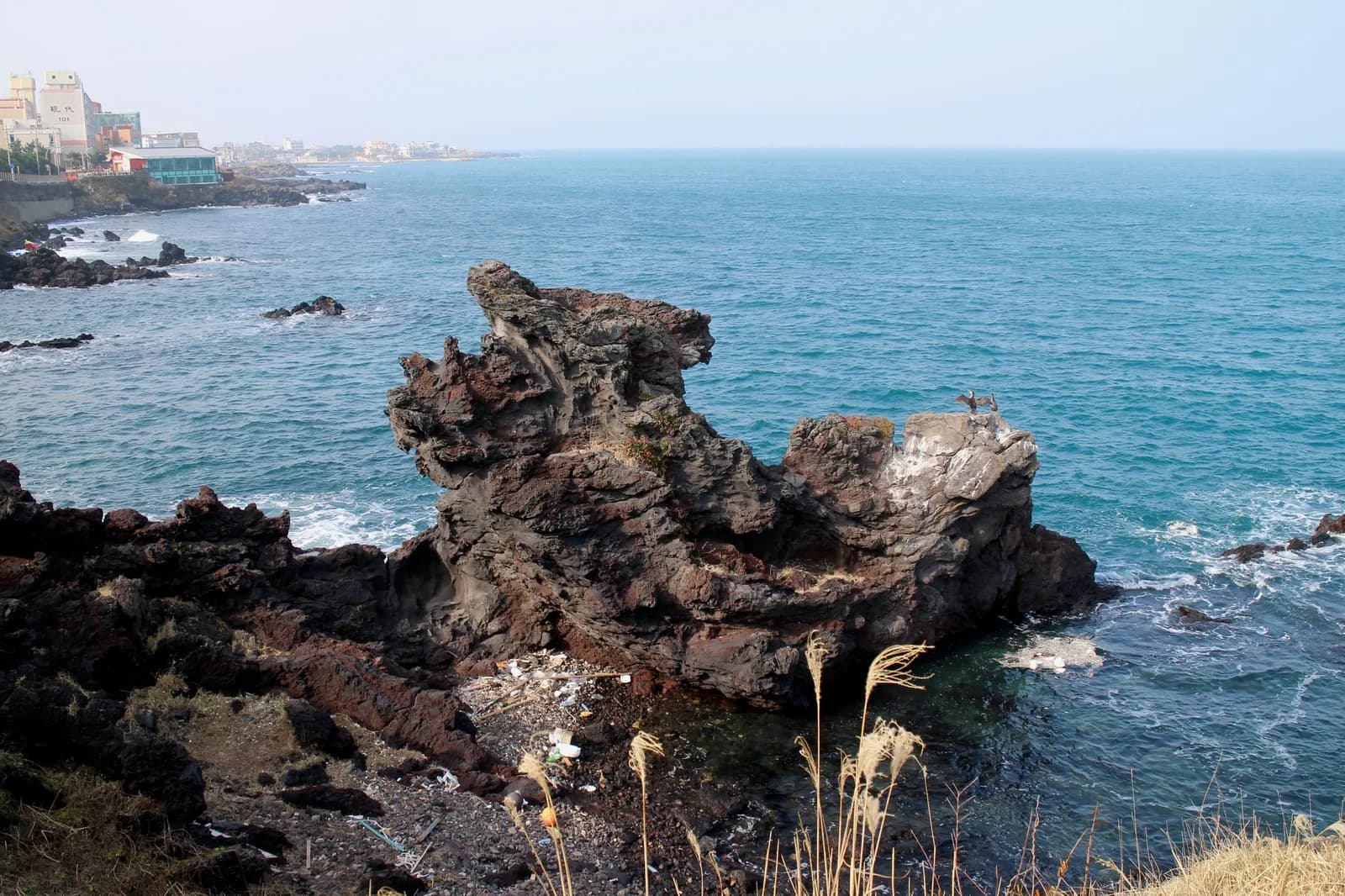
Yongduam, on the coast northeast of Jeju International Airport, is a volcanic rock shaped like a dragon rising from the sea. Its head shows best from the western viewing point; viewing is free, and a free cultural tour guide programme runs here too.
 Aewol, Jeju
Jeongmul Oreum: a walk on an oreum named after a spring, looking out over Isidol Ranch and the sunset
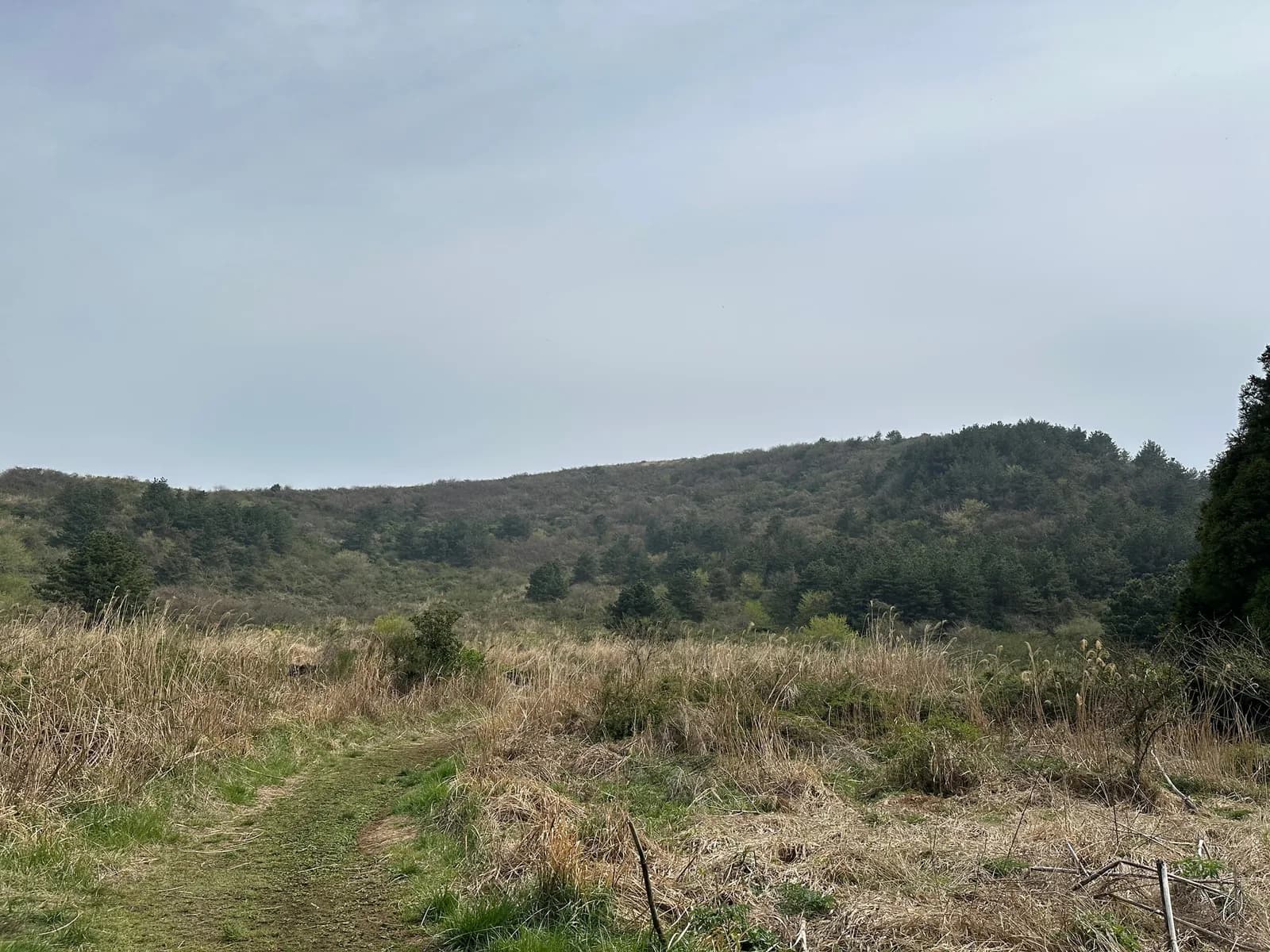
Jeongmul Oreum, in Geumak-ri, Hallim-eup, takes its name from Jeongmul Spring in front of it. Walk it clockwise, starting up the left path, and you climb facing Hallasan and come down facing the sea; from the top you can see neighbouring oreums and Isidol Ranch.
 Aewol, Jeju
Dodubong: a low volcanic cone right next to Jeju Airport where you can watch planes and the sea together
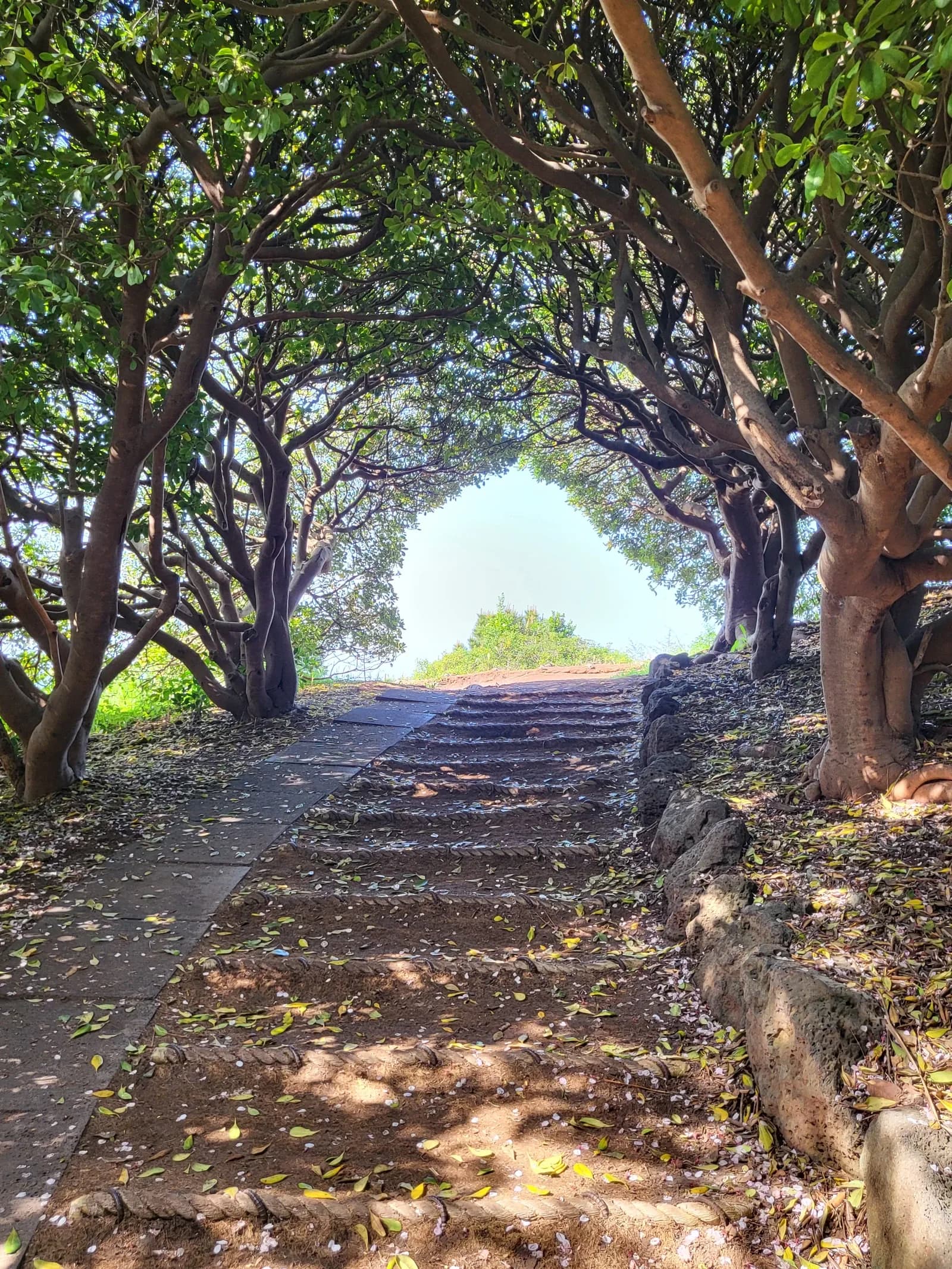
Dodubong is a low oreum (volcanic cone) in Jeju City, right next to Jeju Airport. Its gentle slope makes it easy to climb, and from the path up and the summit you can watch planes taking off and landing together with the sea.