A Day for Taking Your Time with Exhibitions at Jeju Museum of Art
Pick a work that stays with you at Jeju Museum of Art and look at it slowly. The order for checking current exhibitions and visitor notices, ways to remember a work, and a day that leaves room for a meal after viewing.

If you want to set aside a day on your Jeju trip for an exhibition at Jeju Museum of Art, start by looking at what is on now. Spending a long time in front of a work can be a good way to change the pace of a trip. Leave a little blank space in your schedule and take your time finding which works stay with you. Deciding on just one or two things to see first keeps your steps light even in a large exhibition hall.
You can start looking without knowing much about art. Follow the questions that come to you — whether you like the colour, whether an unfamiliar material makes you curious, whether your thoughts change after reading the title.
Check the general visitor information and the latest exhibition notices together
It is good to begin preparing your visit by looking at the current exhibitions and the latest notices on the official Jeju Museum of Art website. Rather than only saving the general visitor information, please also check whether there are special operating notices that apply to your travel dates.
The 5th Jeju Biennale runs from August 25 to November 15, 2026. Since the exhibition takes place at several venues, check separately which exhibition you want to see at Jeju Museum of Art and which venue you will actually visit. For the opening hours, closing days and admission fees that apply to your travel dates, check the museum's latest information again rather than putting previously saved information straight into your schedule.
Once you have set your viewing time, keep the next part of your schedule a little loose as well — so that you do not have to rush off when you meet a work you want to stay with longer than expected. If you are curious about video works or separate programmes, look at how they are run in the official information too.
Choose one question at the exhibition
In the exhibition hall, first look for a work that catches your eye. Deciding on one word that comes to mind before reading the caption is one way to do it. Think lightly about whether you noticed the colour first, whether you saw a repeated shape, or what scene came to mind.
Then read the title and the caption. Some parts will connect with what you first thought, and some stories will be completely unexpected. If you remember how the two impressions differed, you will have something to talk about after the visit. There is no need to reach a conclusion about every work. It is fine to leave some works as open questions. If you step back from a work and then move closer again, you may notice parts you did not see at first.
Choosing a favourite work each, if you are with someone, is also worth trying. Rather than trying to guess each other's reasons right away, listen to each other's choice and then look again. The fact that people linger at different points in the same exhibition can be part of the fun of a trip.
Taking a short break each time you move to another exhibition room is another way. If you decide on one work you liked in each space before moving on, your memories will not blur even after seeing many works. If you are with a child, you can start with a game of naming three colours you can see in front of a work.
Check the photography guidance before taking pictures
In each exhibition room, first check whether photography is allowed and what the guidance is on using a flash. Even if photography for personal records is permitted, it is safer to check separately whether the images may be used on a website or in advertising. If the guidance differs by work, follow the guidance for that exhibition room.
For works that cannot be photographed, try writing a short note of the artist's name and the title of the work. You may also add, in your own words, the colour or shape that stayed with you. Please follow the on-site viewing guidance, such as not touching works with your hands and not crossing the protective lines, and it is fine not to lose viewing time to note-taking. When you read your notes again after visiting an exhibition at Jeju Museum of Art, it comes back clearly which work you spent the longest with that day.
Carry the conversation into a meal
If you plan to head to Aewol after the museum, Mipojip Jeju Aewol is also worth considering for a meal. It is best to stop by after checking the route between the museum and the restaurant and the time you need for the rest of your schedule.
Look over the haemuljang (seafood marinated in soy sauce) and sotbap (rice cooked in an iron pot), decide what you want to eat, and talk about the works that stayed with you that day. Talking about which titles you noted down, and whether there is an artist you want to look up again after the trip, carries the memory of the exhibition into the meal. Have a look at the Mipojip menu as you plan the meal after your visit.
Checklist before you go
- Have you checked that the exhibition you want to see is open on the day of your visit?
- Have you distinguished between Jeju Museum of Art and the other Biennale venues?
- Have you checked the opening hours, closing days and admission information again for the day of your visit?
- Are you ready to check the conditions for photography and image use?
- Have you left time to talk with your companion about the works you want to look at longer?
Frequently asked questions
Can all the works listed in the Biennale information be seen at Jeju Museum of Art?
The event takes place at several venues. If there is a work or programme you want to see, check its venue and then plan how to get there.
Can I use the opening hours I saved earlier?
They may change depending on special exhibitions and operating notices, so check the latest information again for the day of your visit.
Information checked on: October 16, 2026. Exhibition schedule and venue information. After the event ends, the sentences about the dates should be reviewed again.
- Jeju Museum of Art
- Jeju exhibitions
- Jeju City travel
- museum visit
- Mipojip
Read next
 Aewol, Jeju
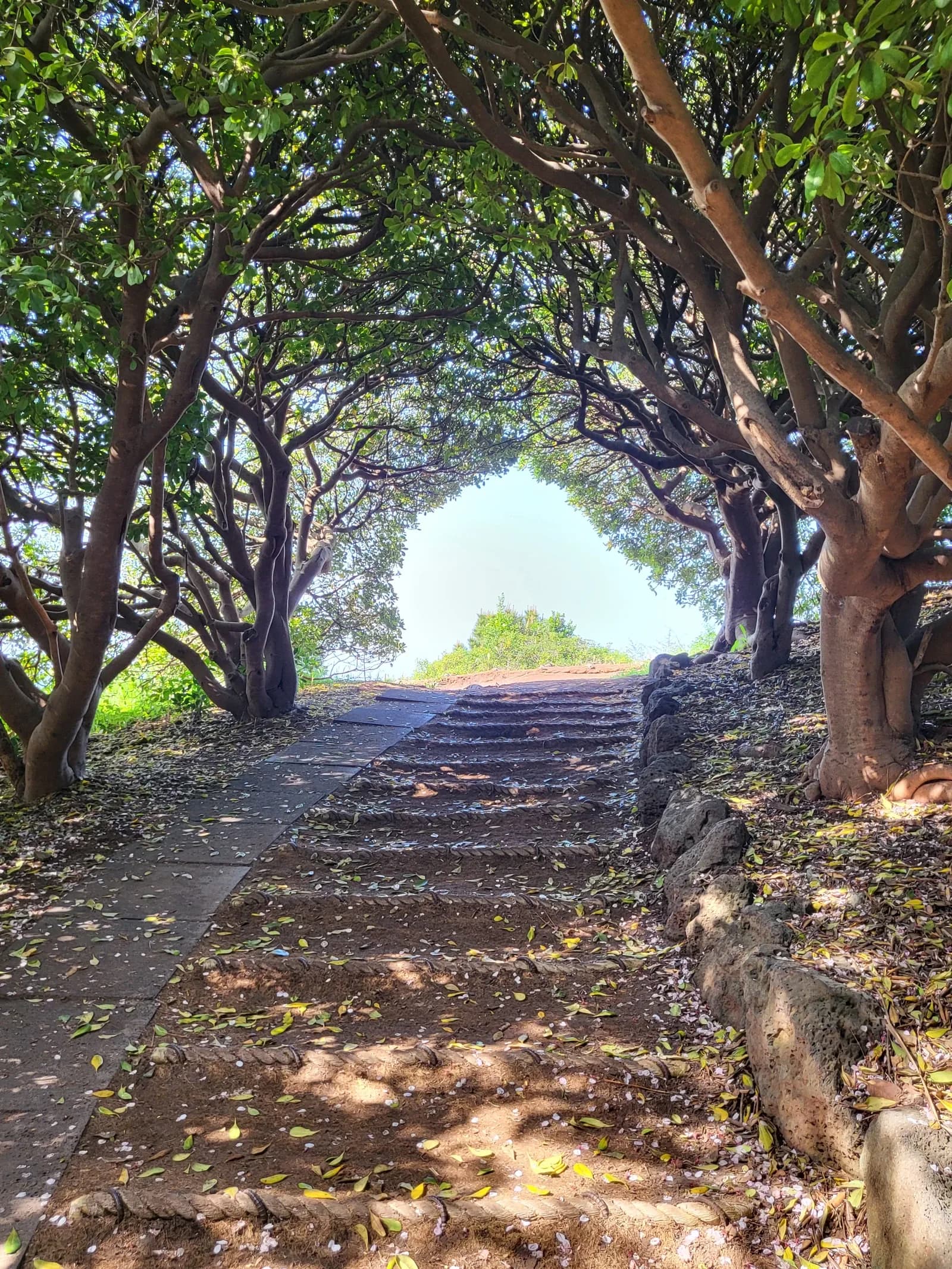
Dodubong: a low volcanic cone right next to Jeju Airport where you can watch planes and the sea together
Dodubong is a low oreum (volcanic cone) in Jeju City, right next to Jeju Airport. Its gentle slope makes it easy to climb, and from the path up and the summit you can watch planes taking off and landing together with the sea.
 Aewol, Jeju
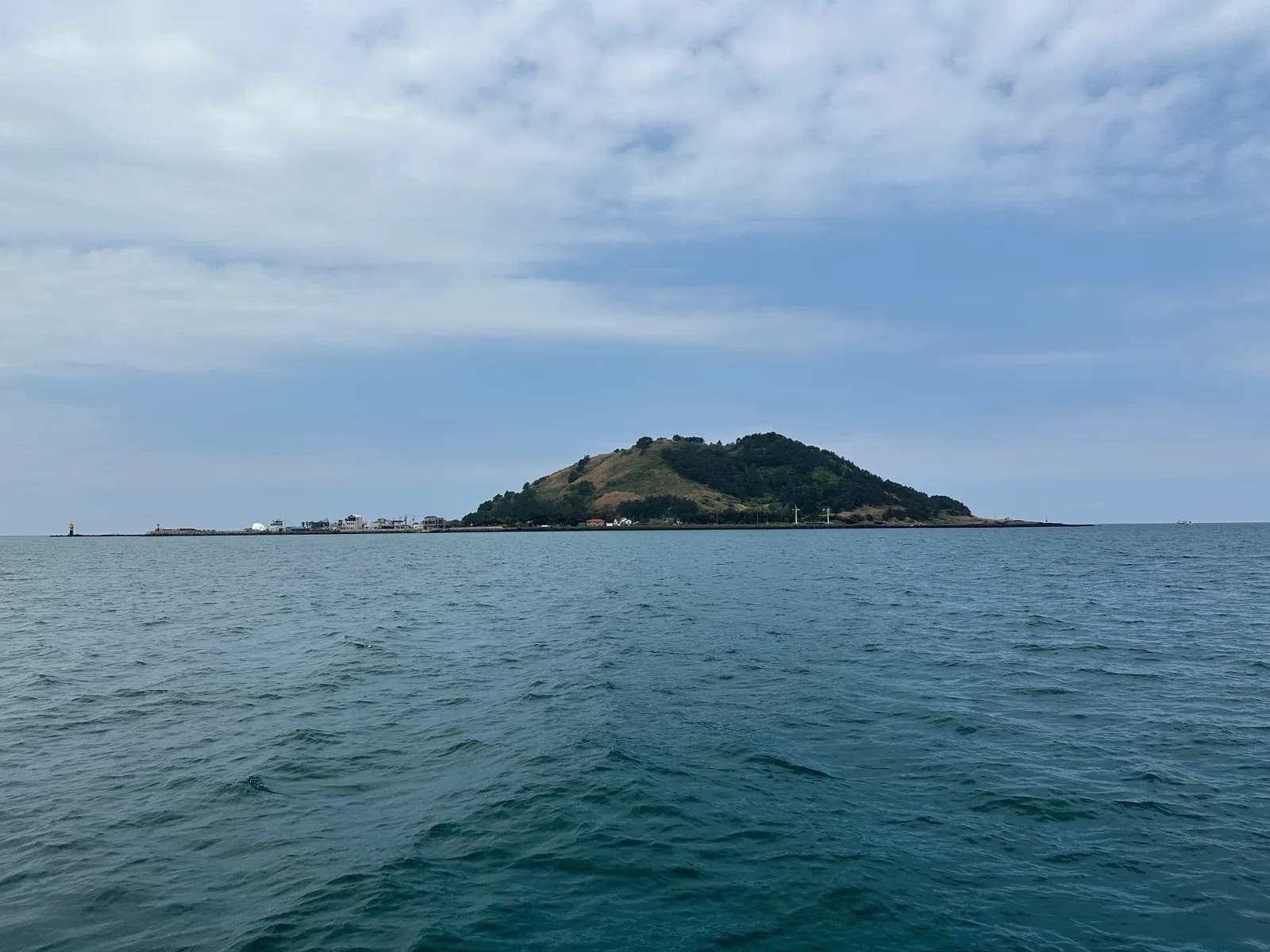
Biyangdo Island: the small island off Hyeopjae, about 15 minutes by boat from Hallim Port
Biyangdo, the island you can see off Hyeopjae Beach, is a small island reached in about 15 minutes by boat from Hallim Port. Even if you climb Biyangbong to see the white lighthouse and walk around the island, 2 to 3 hours is enough to look around.
 Aewol, Jeju
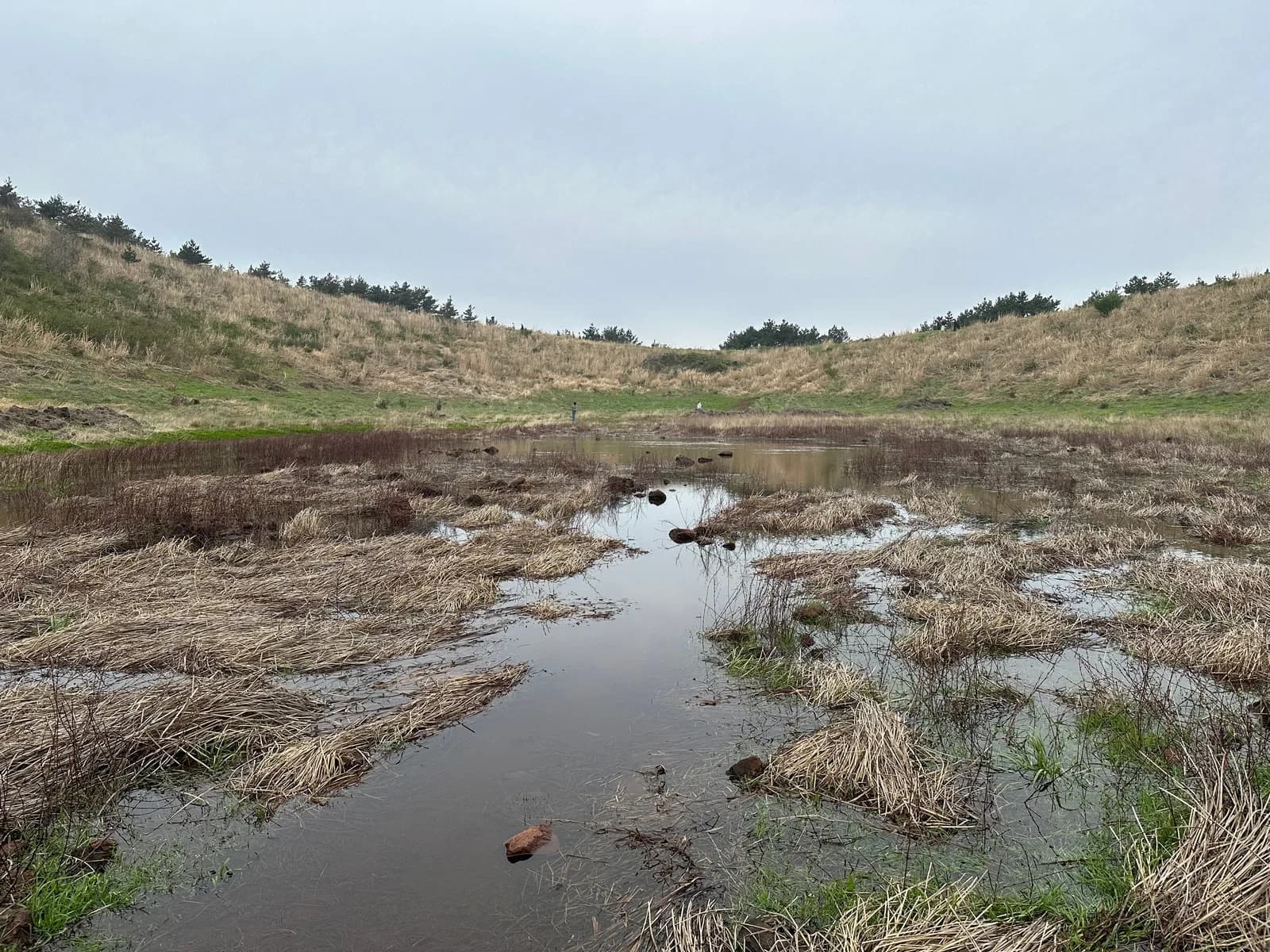
Geum Oreum, an oreum in Geumak-ri, Hallim, where you walk the crater rim
Geum Oreum in Geumak-ri, Hallim-eup, is an oreum with a relative height of 178 m, so it doesn't take long to climb. At the summit are a crater lake called 'Wangmae' and a crater 1.2 km around, and you can see Hallasan, Biyangdo Island and Geumak Village.