
Visiting Jeju-mok Gwana: A Trip Through Jeju City's Old Downtown, Read Through Its Building Names
At Jeju-mok Gwana, look at the tiled-roof scenery and the building names together. A way to visit by reading the site map and lingering in the spaces you like, plus points to consider when linking the visit to a meal in Aewol.

If you want to see buildings and history together on a trip to Jeju City's old downtown, consider adding a visit to Jeju-mok Gwana to your itinerary. Jeju-mok Gwana served as the center of Jeju's administration from the Tamna Kingdom period through the Joseon Dynasty. The main government office facilities stood in the surrounding area, including Gwandeokjeong.
Go a step beyond taking photos against the tiled roofs, and try a visit that reads the names and layout of the buildings. You don't need to memorize many dates. If you walk while thinking about what people did in these spaces, a story is added to the scenery of your trip.
Start with the overall layout on the site map
When you begin, check the entrance and the locations of the main buildings on the site map. For the areas actually open on the day of your visit and the visiting route, follow the on-site guidance. After that, try walking in a way that lets you pause for a while in front of buildings that draw you in. If you take a photo of the site map, it is easy to check again where you are during the visit.
If you think you have to read every explanation carefully from the start, the visit can feel like homework. First look at the overall layout, and when you come across a building you are curious about, read its explanation. It is a way of looking broadly and then focusing on one place.
Keep one building name as a clue to your trip
Excavations confirmed traces of several buildings, including Honghwagak, Yeonhuigak, Uryeondang and Gyullimdang. Manggyeongnu was a space for honoring the king's grace, and Yeongjuhyeopdang was an office where military officers worked. Reading each name alongside its role gives you a clue for telling the buildings apart.
With your companions, pick the one name that stays with you most. The reason can be its historical role, or the sound of the name or a space you liked. In your travel notes, a single sentence with the building name and a feature you noticed is enough.
In spaces that speak of how things used to look, how the buildings you see now connect with past records and the excavation process also makes an interesting theme for a visit. Rather than judging when something was built or whether it is preserved in its original form only from the impression that it looks old, read the stories in the on-site explanations.
Photos: the whole and the details as a pair
First take a wide photo that shows how the buildings relate to the courtyard. Then, from spots where visitors are allowed, take close-ups of a pillar or the line of the eaves that caught your eye. Keeping both the whole and the details of the same place makes it easier to recall where you saw what, even after the trip.
Also record the title on the information sign along with your photos. It helps you tell apart similar-looking building photos later. Keep the path clear for other visitors, and follow any restricted areas and photography guidance as posted.
Check visiting hours, admission information and special programs on the official Jeju-mok Gwana website before you visit. Rather than seeing photos of past events and assuming the same program always runs, it is more accurate to look for notices that match your travel dates.
If you walk a little more in the old downtown after Jeju-mok Gwana
Once you've finished, rather than heading straight to your next destination, look toward Gwandeokjeong once more and recall the buildings you saw today. Knowing that the government office facilities stood in this area makes the same street look a little different. Which way to walk further can depend on the day's weather and how your group is feeling.
After the trip, it is also nice to look up again the one name you noted. When the line of the eaves or the size of the courtyard you saw comes back with it, a short visit becomes a lasting memory. Reading the building's name aloud when you look at your photos again is another way to hold on to the memory.
From stories in the old downtown to a table in Aewol
If your plan is to head to Aewol after Jeju-mok Gwana, continue with a meal at Mipojip Jeju Aewol. The old-downtown visit and the meal in Aewol are parts of the day that need travel planned separately. Check the route to your next destination on a map, and leave plenty of time for the meal.
While looking over the haemuljang (marinated seafood) and sotbap (rice cooked in a pot), share the story of the building that stayed with you most from your visit to Jeju-mok Gwana. It would also be fun to decide which name caught your eye and which photo goes on the first page of your travel album. Choose the meal you want from the Mipojip menu and carry on to the next scene of your trip.
- Jeju-mok Gwana
- Jeju City old downtown
- Gwandeokjeong
- Jeju history trip
- Mipojip
Read next
 Aewol, Jeju
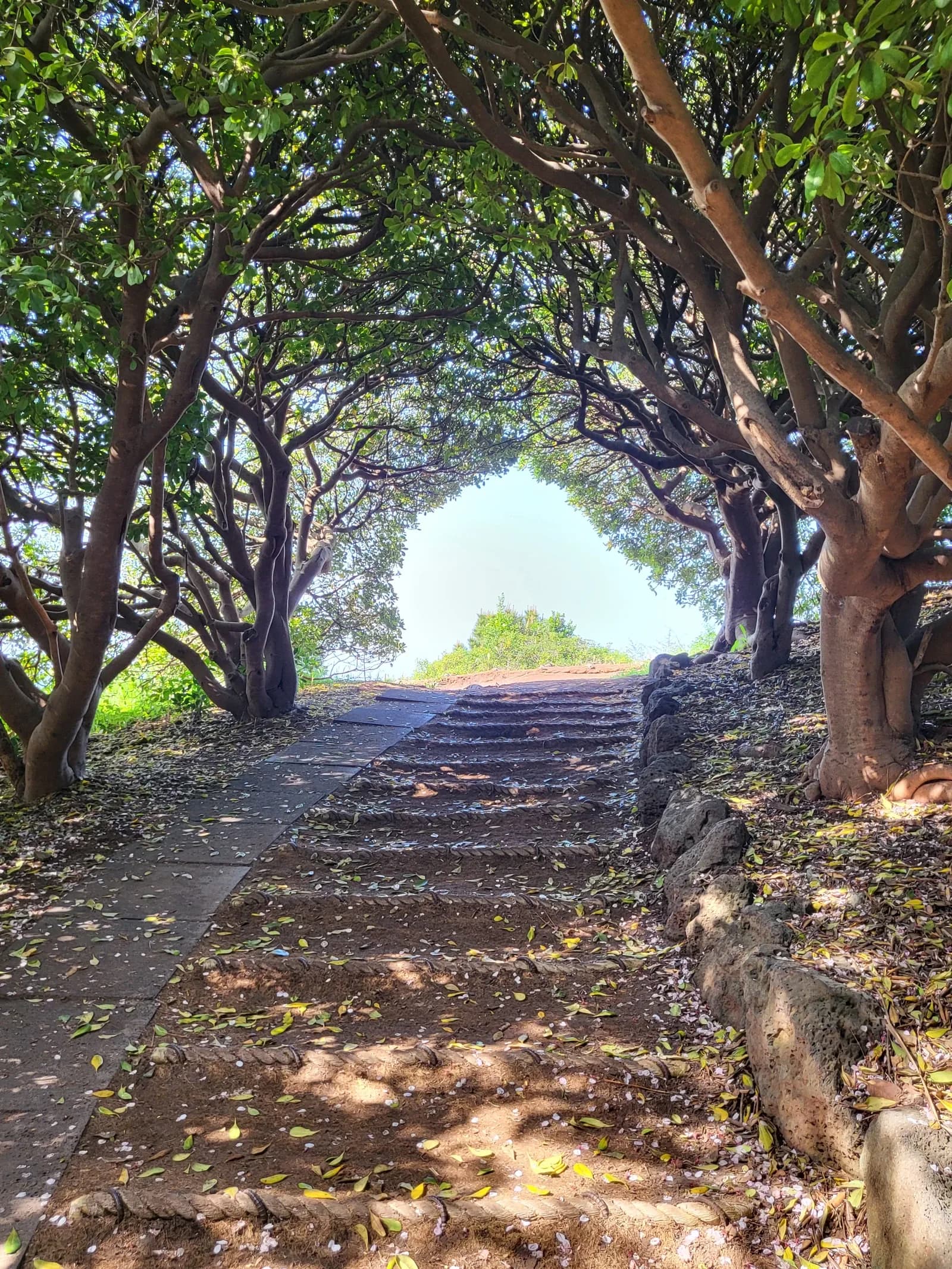
Dodubong: a low volcanic cone right next to Jeju Airport where you can watch planes and the sea together
Dodubong is a low oreum (volcanic cone) in Jeju City, right next to Jeju Airport. Its gentle slope makes it easy to climb, and from the path up and the summit you can watch planes taking off and landing together with the sea.
 Aewol, Jeju
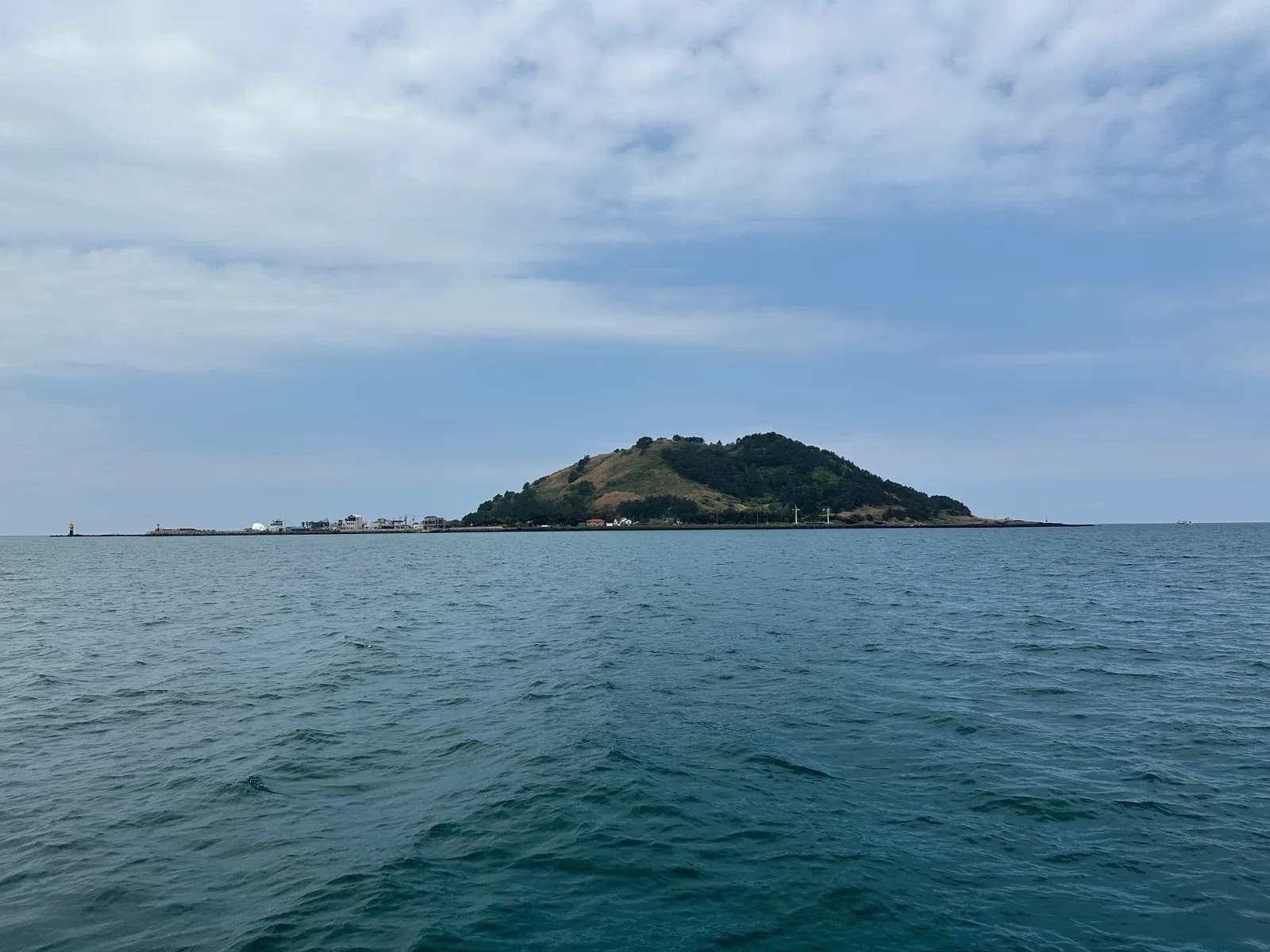
Biyangdo Island: the small island off Hyeopjae, about 15 minutes by boat from Hallim Port
Biyangdo, the island you can see off Hyeopjae Beach, is a small island reached in about 15 minutes by boat from Hallim Port. Even if you climb Biyangbong to see the white lighthouse and walk around the island, 2 to 3 hours is enough to look around.
 Aewol, Jeju
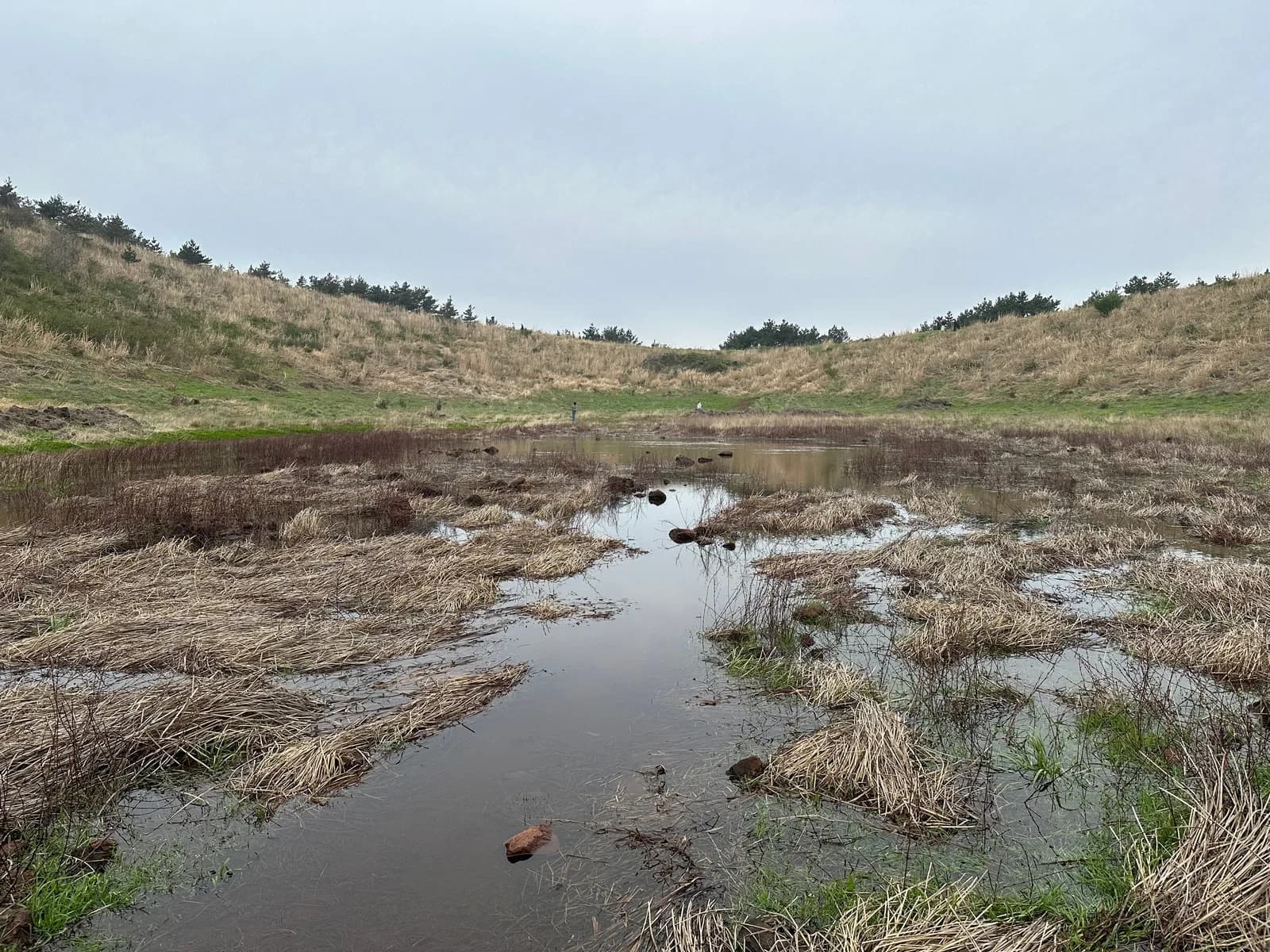
Geum Oreum, an oreum in Geumak-ri, Hallim, where you walk the crater rim
Geum Oreum in Geumak-ri, Hallim-eup, is an oreum with a relative height of 178 m, so it doesn't take long to climb. At the summit are a crater lake called 'Wangmae' and a crater 1.2 km around, and you can see Hallasan, Biyangdo Island and Geumak Village.